
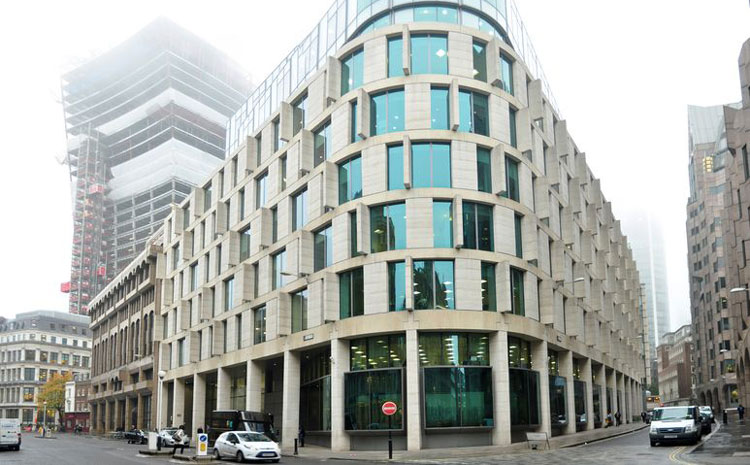
A commercial mortgage is any loan secured on property other than your dwelling. Buy-to-let mortgages are a unique type of higher-volume commercial mortgage packaged for a mass market. However, because nearly every other kind of property varies, every loan must be considered independently and valued based on its liability.
When are commercial mortgages utilised?
Commercial mortgages, in most cases, take over where business loans conclude. Business loans of up to £25,000 are generally unsecured, but for larger sums, finance companies require security to reduce their own risk. Because of the legal and administrative costs of obtaining security for commercial buildings, it is generally considered uneconomic to borrow less than £50,000 in this manner, and several lenders require a minimum of £75,000.
Just what may be given as security?
More often than not, lenders take the property you are buying as the sole security for the loan, typically 70% of the property’s value, and ask for a cash deposit for the balance of the purchase price. Supposing that you do not possess the cash, you can most likely provide the lender further security, which is normally additional property in which you own substantial equity, but could be a charge over alternative assets such as an insurance policy or shares.
Commercial Mortgage Enquiry Form:
Could I obtain a mortgage loan on a leasehold property?
Typically, if the remaining lease term is over 70 years, most lenders require additional security. Otherwise, you will likely need additional security.
How drawn out are commercial mortgages?
Commercial mortgages are normally from 3 to 25 years. Short-term finance is likewise obtainable, and this may likely be known as a bridging loan or property development loan, from which you may have from a few weeks to 24 months.
Do all commercial mortgage lenders offer variable rates?
No, although most of them are. Normally, a rate is quoted as XY % over base or LIBOR (London Interbank Offered Rate), and this, in residential property terms, would be referred to as a tracker mortgage. Fixed-rate mortgages are available for amounts below £500,000, where the lender assumes the rate risk; these might be beneficial. But mortgages where the lender transfers the risk to the borrower through a “Swapping” contract are ideally avoided.
So why can’t I get a definite rate?
The interest rates charged for commercial mortgages and business loans are generally not pre-determined like those for personal loans. When an application is submitted for a commercial mortgage, a financial manager reviews it carefully to assess the risk of making the proposed loan.
A good deal of relevant information is needed for this decision. The lending manager will likely adjust the rate offered to reflect the loan’s riskiness. More substantial loans with minimal risk will most likely get the very best rates. Lenders regularly have risk profiles that these companies work to meet; thus, if your loan falls outside their liability profile, it will most likely be rejected.
Just how much can I borrow at one time?
For owner-occupied property, you can get a 70-75% mortgage. If it is an investment, the amount you can borrow will be determined by the investment’s letting income, but it will not exceed 65% of the acquisition price. When you are purchasing a business which includes goodwill, assets etc then the sum available will be further decreased.
What About The Arrangement fees?
While arrangement fees are usually added to the loan at the time it is executed, a few lenders require funds to cover their work if you do not accept their offer. In this case, they might ask for a commitment fee, which is part of the overall arrangement fee and is due with your official application; it is non-refundable. Arrangement fees are almost always 1%- 2% of the loan amount for loans up to £1 million, with smaller loans attracting higher rates.
Property Valuation Charges
Commercial properties are far more varied than non-commercial ones, so an appraiser will certainly be expected to inspect the property and produce a 20-40 page report for the lending institution. In most cases, houses are not seen by a valuer these days, which is the reason they are a lot less expensive than commercial valuations, which start at about £550 for a basic case, but once more, due to variety, they aren’t done on a set price but from a bespoke quote. This is paid to the lending institution immediately after an initial indicative offering is accepted.
Expected Legal Costs
You will likely be expected to pay both your own legal costs and those of the lending institution. Again, due to the range of properties, legal costs will vary with complexity but commence at around £500 per party. Savings in expenses and time can be achieved when it is recognised that both parties will use different partners within the same firm to represent them.
Why use a broker to secure the best commercial mortgage?
It makes good sense to employ a specialist commercial broker who has the connections and industry knowledge to secure the most suitable deal for you. The broker will have to introduce your scenario to the lenders. You should be sincere and fully transparent in your dealings with your finance broker.
Do not attempt to use multiple brokers at once; you may be embarrassed and end up empty-handed. Brokers who are registered members of the NACFB can be relied upon to possess Professional Indemnity insurance and to follow a code of practice.
What About Broker Fees?
Quite a few brokers charge for searching for commercial mortgages, expect to hand over a fee of about 1 % of the loan value, but don’t consent to pay anything until the broker has delivered a loan package at terms that you have already agreed with them.
Enquiry Form:
Regarding industry sectors, we are able to secure commercial mortgage finance for:
Leisure real estate mortgages can include:
- Mortgages for golf clubs
- Mortgages for nightclubs
- Mortgages for casinos
- Mortgages for health clubs
- Mortgages for restaurants
- Mortgages for pubs or public houses
- Mortgages for cafes
- Mortgages for bars
- Mortgages for hotels
- Mortgages for B&B’s
- Mortgages for guesthouses
- Mortgages for health spas
- Mortgages for sports and leisure centres
Retail commercial property investment may include:
- Retail units
- Retail parks
Industrial property mortgages consisting of:
- Mortgages for warehouses
- Mortgages for factories
- Mortgages for storage facilities
- Mortgages for light industrial units
- Mortgages for industrial parks
Business office property mortgages, including:
- Mortgages for offices above shops
- Mortgages for whole office blocks
Professional property mortgages:
- Mortgages for veterinary and veterinarian clinic surgeries
- Mortgages for doctors and GP surgeries
- Mortgages for chambers
- Mortgages for private schools, independent schools and prep schools
- Mortgages for childcare nurseries and centres
Care home mortgages, including:
- Mortgages for nursing homes, retirement homes or old people’s homes
- Mortgages for rest homes for the elderly
- Mortgages for hospices
- Mortgages for convalescent homes
Agricultural and rural mortgages:
- Mortgages for farms
- Mortgages for farm buildings
- Mortgages for farmland
Best Commercial Mortgage Rates UK and Commercial Lenders
Finding the best commercial mortgage rates in the UK can be challenging, especially for business owners and investors with varied financial backgrounds. Commercial lenders offer a range of products with varying terms, interest rates, and loan-to-value (LTV) ratios. This article explores the best commercial mortgage rates available in the UK, including options for those with bad credit, and provides insights into various financial products that can help you manage your business needs effectively.
Understanding Commercial Mortgages
Commercial mortgages are loans secured against commercial property. They are typically used to buy, refinance, or develop commercial property. The interest rates and terms of these mortgages depend on several factors, including the borrower’s creditworthiness, the type of property, and the lender’s policies.
Benefits of Commercial Mortgages
- Lower Interest Rates: Compared to unsecured loans, commercial mortgages generally offer lower interest rates because they are secured by collateral.
- Higher Borrowing Limits: Businesses can borrow larger amounts to fund significant projects or property purchases.
- Tax Benefits: Interest payments on commercial mortgages are often tax-deductible.
Interest Rates and Loan-to-Value Ratios
The interest rates for commercial mortgages vary by lender, borrower credit profile, and LTV ratio. Below is a table comparing interest rates and LTV ratios for different commercial mortgage products.
| Loan Product | Interest Rate | LTV Ratio |
|---|---|---|
| Commercial Mortgage (Good Credit) | 3.5% | 75% |
| Commercial Mortgage (Bad Credit) | 5.0% | 70% |
| Secured Loan | 4.0% | 80% |