
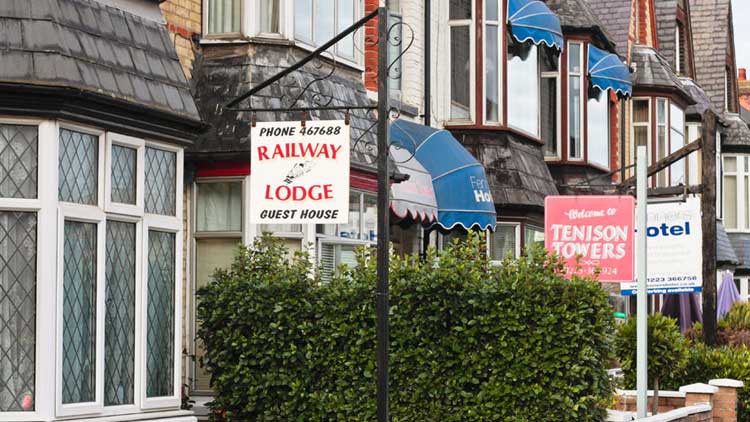
Entrepreneurs who wish to purchase a guest house or bed-and-breakfast for business purposes may wonder how to finance it. There are several financing options available, but a commercial property mortgage is likely the best choice.
This type of financing will allow the borrower to obtain the funds needed to purchase, refurbish, open, and operate the business without tying up capital in the property during the process.
Many lenders specialise in business finance for guest houses, bed and breakfasts, and hotels. These lenders are able to provide different mortgage and loan packages, including remortgage options, to help borrowers raise the financing needed to either make a purchase or do refurbishments on their existing property.
Talk To Our Independent Qualified Team For A 100% Bespoke Finance Solution Today – Same Day Decisions
Some lenders can also arrange non-status, self-certified, and adverse-credit mortgages for borrowers with non-traditional financial situations.
What to Look for When Purchasing a Guest House
The tourism industry in the United Kingdom is booming, generating approximately £76 billion each year. With demand for hotels and guesthouses growing, it is no surprise that more individuals are entering the market.
When considering purchasing a bed-and-breakfast or guesthouse business, it is important to consider the property’s location. Properties with waterfront views or close to other tourist attractions tend to do better business than others.
Information on Financing a Guest House
To run a bed and breakfast or guest house business, you must get permission from the local council in the area where the property is located. The building being considered for the company must also comply with all safety and fire regulations, and the owner must obtain all the necessary licenses to run the business properly. In most cases, financing will be needed to complete these steps.
Commercial mortgages products are the traditional way that individuals raise the financing needed to begin this type of business, especially if funding is already available to deposit the property.
This type of financing could potentially raise up to 85 per cent of the property’s value, and the level of borrowing available will be determined by other factors, including the location and popularity of the area in which the property is located—inland businesses will likely be outperformed by waterfront businesses.
When beginning the financing process, the lender will want to know the borrower’s projected business income and whether the borrower has any prior experience in the tourism industry. They will also inquire about the company’s location, the tourism accommodations being provided, the amount of funding available for deposit, and whether the borrower has any credit issues or problems.
When reviewing the property, the lender will also want to know whether any residential space is associated with the building. If the building is 40 per cent or more residential, the mortgage must be adjusted to comply with FSA mortgage regulations if the borrower wishes to live in that space. If the borrower hires a manager to live in and run the business, this will not apply.
Having all this information available upfront can help make the process much quicker and smoother. In most cases, a detailed business plan will provide the lender with all the necessary information and serve as a blueprint for the business owners over the next few years.
Refinancing an Existing Guest House
For those already owning a guest house or bed-and-breakfast business, financing options are available to help them unlock usable capital in their property. Lenders will offer commercial remortgages at much lower rates to existing business owners, helping them secure the financing needed for refurbishments, repairs, upgrades, or business purchases.
These funds can also be used to expand the business or for purposes unrelated to the business.
Commercial Mortgage Professionals
Individuals new to the world of finance will generally begin by speaking with their local bank. Although this may seem like the logical place to start, it is essential to remember that banks are in the business of selling their financing packages, not necessarily the ones that best suit the borrower’s needs.
In many cases, the best first step is to solicit the help of a reputable mortgage broker – brokers will work with different lenders to help match a borrower with the right mortgage deal.
In many cases, a good mortgage broker will have access to several different specialised lenders willing and able to work with borrowers to meet their needs. Having a broker’s help can be especially beneficial for individuals with adverse credit or non-traditional income, such as the self-employed.
Brokers will be able to facilitate the search for the perfect lender and work with them to secure a deal for the borrower that meets their guest house needs.
Guest House Finance and Bed and Breakfast Mortgage
Financing a guest house or bed and breakfast can be complex, particularly for those with less-than-perfect credit. This article explores the various financial products available to prospective guest house and B&B owners, including bad-credit loans, secured loans, and debt consolidation options. We will discuss interest rates, loan-to-value (LTV) ratios, and the products themselves to help you make an informed decision.
Understanding Guest House and B&B Mortgages
Securing a mortgage for a guest house or bed and breakfast requires understanding the specific requirements and benefits of commercial property loans. These loans often have different terms and conditions from residential mortgages.
Benefits of Guest House and B&B Mortgages
- Flexible Terms: Mortgages for guest houses often come with flexible repayment terms tailored to the business’s income cycle.
- Potential for High LTV: Lenders may offer high loan-to-value ratios, allowing borrowers to finance a significant portion of the property’s value.
- Specialised Lenders: Some lenders specialise in commercial mortgages for guest houses and B&Bs, providing tailored products and expert advice.
Interest Rates and Loan-to-Value Ratios
Interest rates and LTV ratios are critical factors in determining the cost and feasibility of financing a guest house or B&B. Below is a table comparing interest rates, LTV ratios, and reviews for different financial products suitable for guest house financing.
| Loan Product | Interest Rate | LTV Ratio | Reviews |
|---|---|---|---|
| Guest House Mortgage (Good Credit) | 3.5% | 75% | ★★★★☆ |
| Guest House Mortgage (Bad Credit) | 5.5% | 65% | ★★★☆☆ |
| Secured Loan | 4.5% | 80% | ★★★★☆ |
Practical Tips for Guest House Owners and Investors
Both guest house owners and investors can benefit from understanding the options available and taking proactive steps to manage their finances.
- Regularly review and improve your credit score to access better loan terms.
- Use online calculators and tools to plan and understand your financial options.
- Consider professional financial advice to navigate complex loan agreements.
By leveraging commercial mortgages and secured loans, businesses and individuals can effectively manage their financial needs and improve financial stability and peace of mind.