
Featured Lender For UK Semi-Commercial Properties In 2026
Key terms include:
- Up to 75% LTV – and possibly more for certain property types
- Up to 100% funding available with additional security
- Valuation fees start from £350, including the application fee
- Rates from the bank base rate plus 0.85% for purchases or remortgage, dependent on LTV
- Commercial lending for owner-occupiers (aka for those wishing to run their own business)
- Loans for both individuals or limited companies looking to purchase an investment property (Buy to Let, commercial or residential units)
- Remortgage your existing portfolio to a lower interest rate
- Move your properties into an LTD i.e. an SPV (Special Purpose Vehicle) Company
- Applications from Individuals, UK Limited Companies, LLPs, Partnerships, Trusts, Pension schemes, Expats and foreign nationals
- Terms of 3 to 30 years
- Loans can be interest-only, repayment or on a part-and-part basis (“Part and Part” means that you can have an element of your loan on a repayment basis and the remaining on an interest-only basis)
Let Us Help You Acquire A Semi-Commercial Mortgage – Same Day Quote – Short Term Finance Options
Highlights: Flexible Repayment Term, Expert Assistance – Quick Enquiry Form Below
Property types include, but are not limited to:
- Retail shops with flats above
- Garages with flats above
- Restaurants with flats for either living in or renting out
- Take away with a linked residential flats
- Buildings which have multiple flats but on a single title
- HMO (houses with multiple occupancies and a retail element attached)
- B&B and Guesthouses
- Doctors’ surgery with a residential element
- Vets with mixed planning
- Nursery with carers living on the same premises
- Garden centres with residential occupancy
- Industrial units and residential house mix
- Cattery and Boarding Kennels businesses
- Farms with the owner’s accommodation
- Public Houses with living accommodation
- Country Houses
- Farms
- Private Members clubs
- Places of Education
- Places of Religious Education
- Charity Organisations with mixed-use of properties
- Cafe shops with a residential part of the title
Mortgages and refinancing utilising title splitting:
This is a widespread process as more people are utilising their home equity to generate an income from their largest asset.
The process involves first applying for planning permission and the permission of their existing lenders. However, as most residential lenders will not allow you to split your home, you must first pay off your existing lender. Specialist lenders and solicitors can easily arrange this. To start the process, please fill in the form below, and we will happily get in touch to help you move things along.
There are a number of ways in which we can help arrange the funding:
- Pay off your existing mortgage
- Arrange a development loan to help you with the conversion of your home
- Pay off the development or bridging loan with either a commercial or residential mortgage
- We can manage the entire process for you if you wish
The effect will be a monthly rental income stream, or, if you choose to sell the newly created flats, you will receive funds to invest as you like.
We have extensive experience in these types of property conversions and the associated lending procedure. Please complete the form below so we can discuss your options.
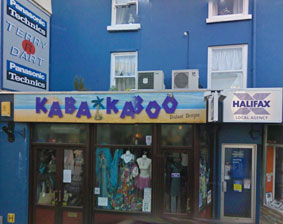
Semi-commercial mortgages are most often used by landlords or investors who purchase properties that are part residential and part commercial.
Examples of these types of properties include pubs that have a self-contained living area attached to them, guest houses that have owner’s accommodations, Houses in Multiple Occupancy that also have a retail unit as part of the building, and shops that have a flat above them, among others.
In many cases, a traditional residential or commercial mortgage cannot be used on these types of properties, so finding a commercial mortgage broker specialising in semi-commercial mortgages may be key to securing funding to purchase the property.
Are semi-commercial mortgages right for your property type?
Semi-commercial mortgages are designed for residential and commercial properties, such as those listed above. When deciding on this type of property, it is important to note that the percentage of residential versus commercial space does not determine whether a semi-commercial mortgage is needed—even if 80 per cent of the property is residential, a semi-commercial mortgage will still be required.
In the eyes of lending institutions, semi-commercial mortgages still fall under the umbrella of “commercial mortgages,” hence a commercial mortgage lender will be needed to fulfil the request.
The only scenario of both a residential and commercial property where a semi-commercial mortgage would not apply is when the residential and commercial aspects of the space have separate entrances – for example, a property where the residential portion can be accessed without having to go through the commercial or retail portion.
If the access to the dwelling and the retail area is separate, it may be possible to secure two separate mortgages, one commercial and one residential. Contact a knowledgeable mortgage broker, like Jubilee, to make this determination and decide which path is best.
What is the Loan-to-Value on Semi-Commercial Property Loans?
Semi-commercial property mortgage arrangements are available for both leasehold and freehold properties, and lenders will generally grant between 65 per cent and 70 per cent of the property’s purchase price or value.
Although this is the norm, some lenders will consider up to 100 per cent of the property’s value if the applicant can offer additional security for the mortgage, such as equity in other properties with tenants and rental income.
Since lenders consider them “commercial mortgages,” they will still consider the applicant’s business plans, accounts, and profits when reviewing the application and ultimately approving the loan. Semi-commercial mortgages are available to several types of applicants, benefiting many individuals.
These mortgages can be applied for by limited companies, partnerships, sole traders, investors, and landlords looking to expand their property portfolios. This is especially important for businesses currently renting their retail space—if a business owner does not wish to remain in a rented property, they can purchase it with a semi-commercial mortgage.
This can help retail business owners to continue operating their company without moving out of the rented space while they work to purchase the property outright.
Loan Rates and Options
In semi-commercial mortgages, both owner-occupier and investment mortgages are available to applicants. This means that if an applicant is looking to purchase a semi-commercial property to rent to residential and retail tenants, or to fix up and resell, the semi-commercial mortgage will be available to finance the purchase in either case.
Some lenders offering commercial mortgages will allow applicants an interest-only period, sometimes for a set period and sometimes for the entire loan term. This period often results in lower monthly payments, which is useful for many investors or landlords.
Additional interest options are available to help create the best commercial mortgage package for any applicant. These options include interest-only and capital-repayment options, which can help the borrower tailor their repayment period and amounts to fit their unique situation.
Also, fixed repayment schedules may help manage expenses and stay within the project’s budget, with repayment periods that can be spread over as long or as short a period as the applicant needs. Having these additional options gives the applicant greater flexibility when arranging a semi-commercial mortgage, and Jubilee can help secure the best commercial mortgage rates for its clients.
Semi Commercial Mortgage Lenders for Bad Credit and Poor Credit Semi Commercial Mortgage Rates
Securing a semi-commercial mortgage with bad credit can be challenging, but it’s not impossible. Various lenders offer products tailored for individuals with poor credit histories, providing opportunities to secure the financing needed. This guide explores the best options for semi-commercial mortgages, discussing interest rates, loan-to-value (LTV) ratios, and product reviews.
Understanding Semi-Commercial Mortgages
Semi-commercial mortgages are loans secured against properties with both commercial and residential elements, such as shops with flats above. These mortgages can be used to purchase, refinance, or renovate semi-commercial properties.
Benefits of Semi-Commercial Mortgages
- Flexible Terms: Semi-commercial mortgages offer flexible repayment terms suited to the varied income streams from both residential and commercial tenants.
- High LTV Ratios: Lenders may offer high loan-to-value ratios, allowing you to borrow a significant portion of the property’s value.
- Specialised Lenders: Some lenders specialise in semi-commercial mortgages, providing tailored products and expert advice.
Interest Rates and Loan-to-Value Ratios
The interest rates and LTV ratios for semi-commercial mortgages vary by lender, borrower credit profile, and property value. Below is a table comparing interest rates, LTV ratios, and reviews for different semi-commercial mortgage products.
| Loan Product | Interest Rate | LTV Ratio | Reviews |
|---|---|---|---|
| Semi Commercial Mortgage (Good Credit) | 4.5% | 75% | ★★★★☆ |
| Semi Commercial Mortgage (Poor Credit) | 6.5% | 65% | ★★★☆☆ |
| Secured Loan | 5.0% | 70% | ★★★★☆ |
Semi-Commercial Mortgage Lenders for Bad Credit and Poor Credit Semi-Commercial Mortgage Rates
Finding the right lender is crucial when securing a semi-commercial mortgage with bad credit. These lenders understand the unique challenges of individuals with poor credit histories and offer tailored products to help secure financing. You can find the best solutions by exploring various options and comparing terms.
- Regularly review and improve your credit score to access better loan terms.
- Use online calculators and tools to plan and understand your financial options.
- Consider professional financial advice to navigate complex loan agreements.
By leveraging semi-commercial mortgages and secured loans, businesses and individuals can effectively manage their financial needs, improve financial stability, and gain peace of mind.