
Understanding Homeowner Loans
Homeowner loans, also known as home equity loans or second-charge mortgages, let UK homeowners borrow against the equity in their property.
These loans can be attractive for accessing large sums at relatively low interest rates. Here, we will explore how homeowner loans work, their benefits and risks, the application process, eligibility criteria, and their impact on personal finances.
Get a free decision in principle for a secured loan by completing the form below:
"*" indicates required fields

Homeowner loans, equity, and one clear monthly payment
A homeowner loan is borrowing secured against a property you own. It is often called a second-charge loan, because it can sit behind your existing mortgage without replacing it. The benefit is simple: your home equity may support a larger loan, a longer term, and a more stable monthly payment.
If you want a fuller guide to debt consolidation loans in the UK, start with the reason for the loan. Many homeowners use this type of borrowing to bring cards, loans, car finance, and store card balances into one payment.
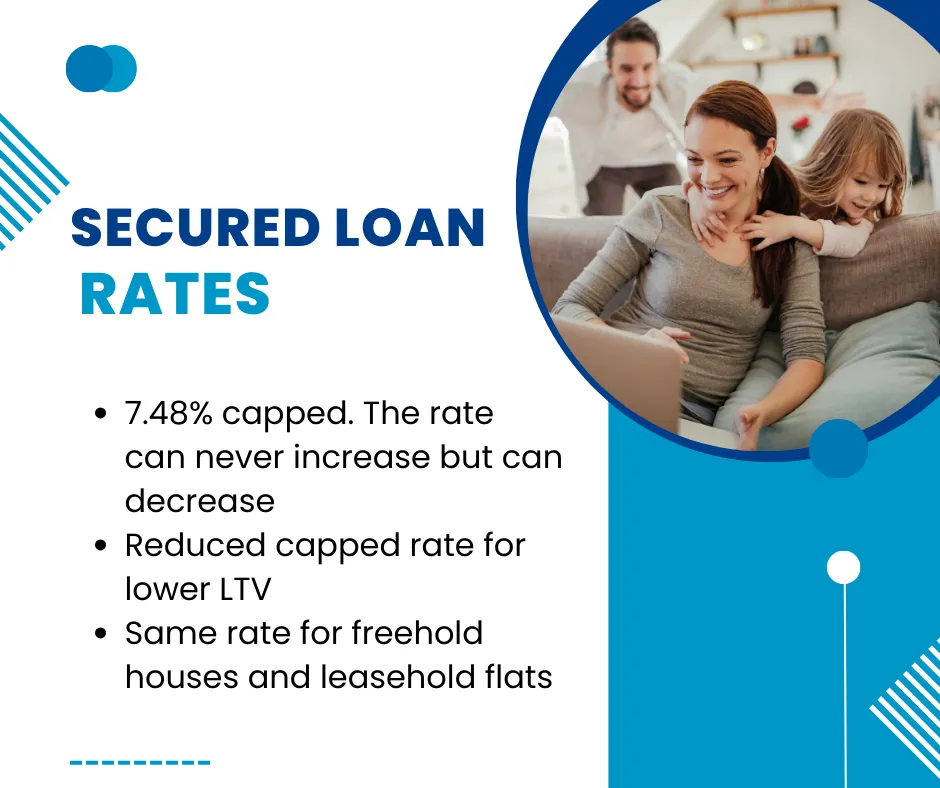
In July 2026, the Bank of England Bank Rate is 3.75%, so a secured homeowner rate roughly two percentage points above Bank Rate can still look attractive when compared with expensive credit cards. High loan-to-value options, no lender or broker fees, and a free automated valuation can make the application feel much lighter than a standard remortgage route.
For smaller consolidation needs, a £10,000 debt consolidation loan may be enough to clear several balances. A borrower with larger commitments may instead look at a £25,000 secured homeowner loan, or a £50,000 secured loan for homeowners, when the aim is to tidy up larger credit commitments.
How the borrowing figure is worked out
The lender typically considers the property value, mortgage balance, requested loan amount, income, and overall monthly payment. This gives a loan-to-value figure. A homeowner with strong equity usually has more options, but a past credit issue doesn’t always end the conversation.
Some people start by checking debt consolidation loan rates, as the rate and loan term decide how the monthly payment feels. A longer term can reduce the monthly payment, while a shorter term may clear the balance faster.
An online enquiry can usually give an early view before the slower paperwork begins. If speed matters, the page on homeowner loans with an instant decision explains how soft-search decisions in principle are normally handled, and the guide to secured loan application timescales sets out the common stages.
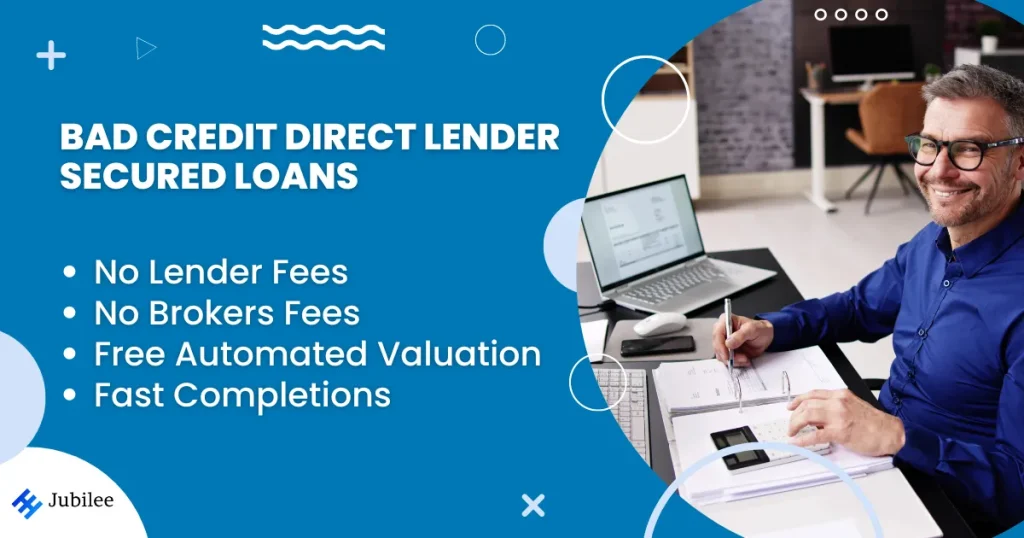
Homeowners who prefer a no-fee route may compare homeowner loans from direct lenders with a secured loan broker with an online decision. The right route is usually the one that gives a quick answer, clear terms, and a payment that fits the household budget.

Debt consolidation with a homeowner loan
A common use for homeowner borrowing is credit-card consolidation. Instead of several card payments leaving the bank at different times, a credit card debt consolidation loan can bring the balances under one monthly repayment.
The page about the benefits of debt consolidation loans may be useful if the aim is cleaner budgeting rather than more borrowing. Some borrowers also look at whether they can clear debts sooner with a loan by replacing higher-rate credit with one planned repayment.
If your credit record isn’t perfect, a secured route may still be available. The guide to bad credit debt consolidation loans covers the sort of details lenders may ask for, while loans in the UK for bad credit look more broadly at borrowing when the credit file has previous issues.
Some people do not want to involve a friend or family member. In that situation, a loan with no guarantor for homeowners may be a cleaner route because the application is evaluated based on the property, income, and overall affordability, rather than another person’s credit file.

How the application tends to feel
The first step is usually a short form and a decision in principle. After that, the lender checks income, current mortgage details, credit commitments, and the property value. A free computer-based valuation may be enough for many homes, so you may not need to wait for someone to visit the property.
A secured loan calculator for debts can help you estimate a rough monthly figure before applying. It is also sensible to read the debt consolidation FAQs if you want a simple overview of the process, the repayment term, and the documents you’ll typically need.
Some borrowers compare a new secured loan with remortgages for debt consolidation purposes. A remortgage can work well in some cases, but a second-charge homeowner loan may help avoid disturbing a favourable first-mortgage rate.
For landlords, the same idea can apply to a rental property. A buy-to-let secured loan may help release funds from a property that is already let, without turning the page into a full remortgage exercise.
Direct lender debt consolidation
A direct lender debt consolidation loan can be useful when the borrower wants a simple route, fewer moving parts, and a soft-search decision before the full application. It can also help avoid the awkwardness of asking someone else to support the borrowing.
Homeowner loans are often practical. They can support larger loan amounts, work over longer terms, and make several separate repayments easier to see and manage. The key is choosing a monthly payment that feels comfortable, rather than borrowing the largest possible amount.
With a clear purpose, a free valuation, and an online decision in principle, a homeowner loan can be a straightforward way to organise existing borrowing in July 2026.